Understanding Balanced Nutrition

An institutional knowledge resource dedicated to exploring the science of nutrition, metabolism, and sustainable well-being. This portal explains fundamental concepts in a clear, evidence-based manner.

Explore Further

What is Balanced Nutrition?

Balanced nutrition refers to the consumption of food and beverages that provide the right proportions of nutrients necessary for optimal bodily function. This includes macronutrients—proteins, fats, and carbohydrates—as well as micronutrients such as vitamins and minerals.

The concept of balance recognizes that no single nutrient works in isolation. Rather, nutrition is a complex system where different components interact to support energy production, tissue repair, immune function, and countless biochemical processes.

Understanding the science behind balanced nutrition allows individuals to make informed decisions about their dietary habits in the context of their own lives, without relying on prescriptive diet plans or quick-fix solutions.
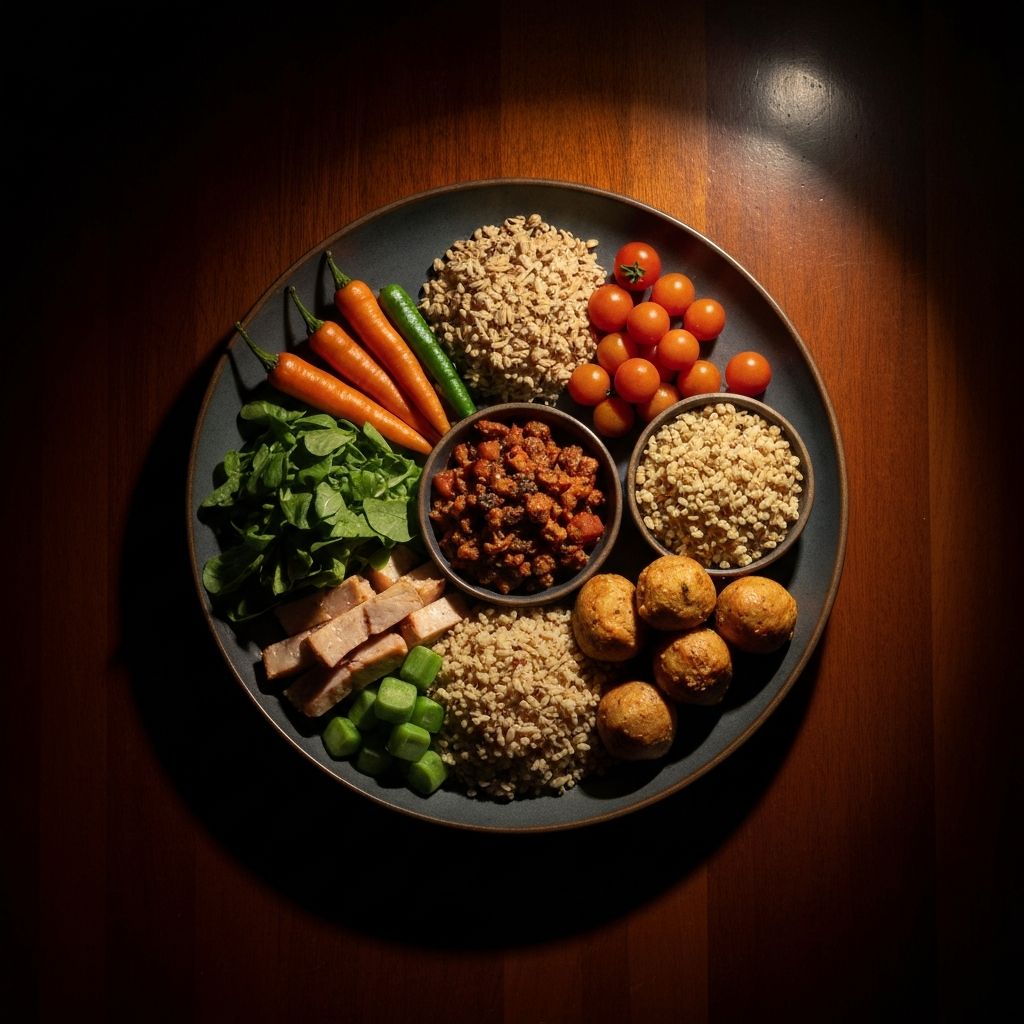
Balanced meal composition with various food groups

The Role of Macronutrients

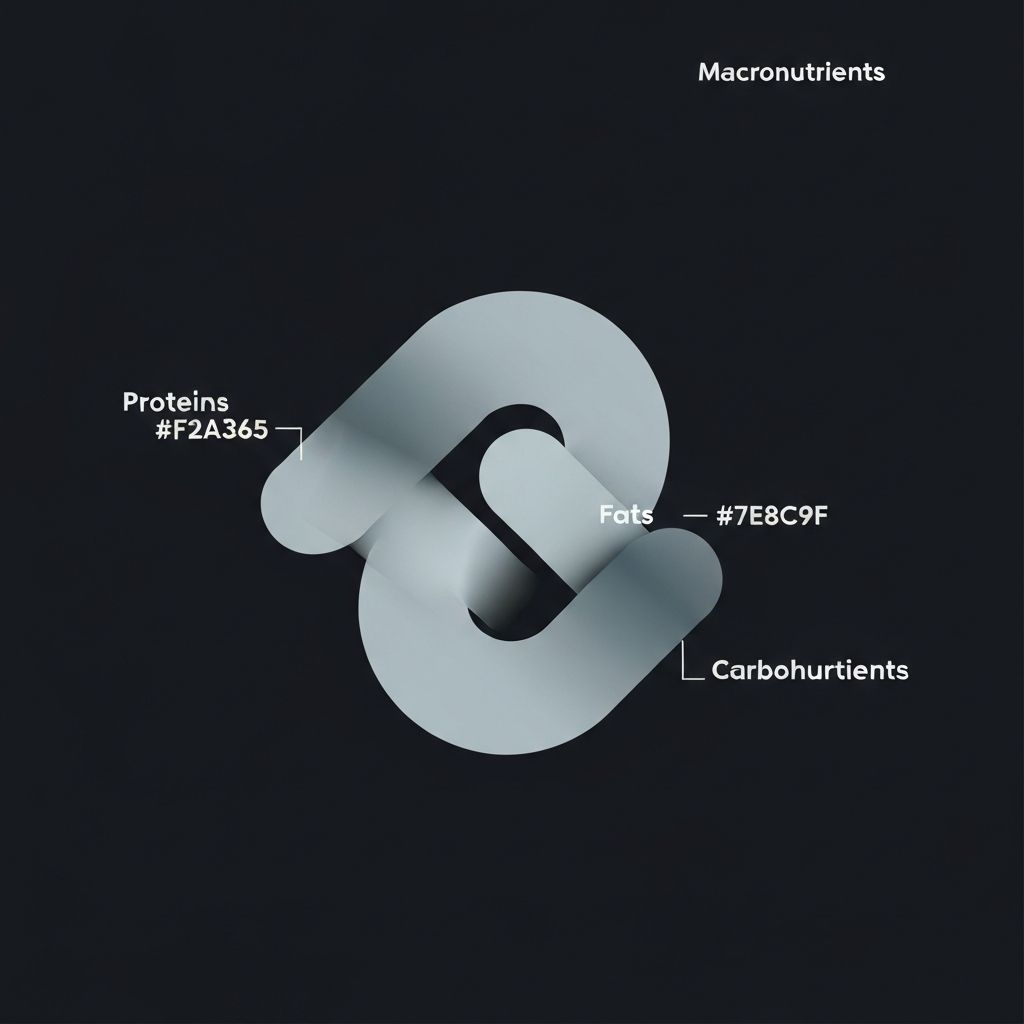
Macronutrients are the three primary nutrients that provide energy and building blocks for bodily functions. Understanding their roles is fundamental to comprehending nutrition science.

Proteins

Proteins are essential for building and repairing tissues, producing enzymes and hormones, and supporting immune function. They are composed of amino acids, some of which the body can synthesize, while others must be obtained from food sources.

Fats

Fats serve multiple critical functions: they provide concentrated energy, support absorption of fat-soluble vitamins, maintain cell membrane integrity, and produce signaling molecules. Different types of fats have varying effects on metabolic processes.

Carbohydrates

Carbohydrates are the body's primary energy source and include both simple sugars and complex polymers like starch and fiber. They play roles in brain function, physical activity, and maintaining gut health through dietary fiber.

Scientific visualization of macronutrient composition

Understanding Macronutrient Ratios

The optimal proportion of macronutrients varies among individuals based on activity level, metabolic characteristics, health status, and lifestyle factors. There is no universal "perfect" ratio; rather, the appropriate balance depends on individual circumstances.

Scientific research demonstrates that people can maintain health across a range of macronutrient distributions, suggesting flexibility in dietary patterns. This understanding contradicts the notion that one specific ratio is universally optimal.

Micronutrients: Vitamins and Minerals

While required in smaller quantities than macronutrients, vitamins and minerals are essential for numerous biochemical processes. They function as cofactors in enzyme reactions, support immune function, maintain bone structure, and facilitate energy production.

Vitamins are organic compounds produced by plants or animals, while minerals are inorganic substances such as calcium, iron, and zinc. Both categories include essential nutrients—those the body cannot synthesize and must obtain from food.

A varied diet emphasizing whole foods such as vegetables, fruits, grains, legumes, and protein sources typically provides adequate micronutrients for most individuals in good health.

Fresh vegetables and fruits rich in micronutrients

The Science of Metabolism

Metabolism encompasses all biochemical processes that convert food into energy and building materials. Understanding metabolic fundamentals provides context for how the body processes different nutrients.

Abstract scientific representation of metabolic processes

Metabolic Processes

The body's metabolic rate—the speed at which it converts food to energy—is influenced by factors including age, body composition, physical activity, genetics, and hormonal status. This rate is not fixed and can adapt to changes in energy intake and expenditure patterns over time.

Digestion, absorption, and utilization of nutrients involve complex enzymatic processes. Different macronutrients require different amounts of energy to digest—a phenomenon known as the thermic effect of food.

Understanding metabolism as a dynamic biological process helps contextualize how the body responds to various dietary and lifestyle patterns.

The Role of Physical Activity

Physical activity is an integral component of balanced well-being, distinct from but complementary to nutritional intake. Regular movement supports cardiovascular health, maintains muscle mass, promotes metabolic function, and contributes to mental well-being.

The relationship between nutrition and physical activity is bidirectional. Adequate nutrient intake supports physical performance and recovery, while physical activity influences nutrient requirements and metabolic processes.

Moderate, consistent physical activity—such as walking, flexibility work, or recreational sports—integrated into daily life represents a sustainable approach to maintaining physical function.

Person practicing gentle wellness activities in natural light

Hydration and Fluid Balance

Water droplets and hydration visualization

Water constitutes approximately 60% of body weight in adults and participates in virtually every biological process. It serves as a solvent for nutrient transport, regulates temperature, maintains cellular function, and facilitates elimination of metabolic waste.

Fluid requirements vary based on activity level, climate, metabolism, and individual factors. Thirst mechanisms generally provide adequate indication of hydration needs for most people in typical circumstances, though individual variation exists.

The evidence-based approach to hydration focuses on maintaining adequate intake relative to individual circumstances rather than adhering to prescriptive guidelines such as fixed daily intake targets.

Sustainable Lifestyle Changes

Sustainable approaches to nutrition emphasize gradual adaptation of eating patterns rather than restrictive dietary interventions. This perspective acknowledges that long-term health benefits result from consistent habits maintained over time, not from temporary compliance with prescriptive plans.

Building positive habits around food selection, meal timing, and physical activity allows individuals to integrate healthy practices into their lives in ways that align with personal preferences and circumstances. This approach supports long-term adherence and psychological well-being.

Understanding the biological and psychological aspects of nutrition and activity enables individuals to make informed decisions that support their unique circumstances and goals.

Natural seasonal produce in morning light

Information Disclaimer

This content is for informational purposes only. It does not offer individual recommendations. Approaches to nutrition and well-being vary greatly in daily life. This information is not a substitute for professional medical or dietary advice.

Individuals with specific health conditions, dietary restrictions, or concerns should consult qualified healthcare professionals for personalized guidance.